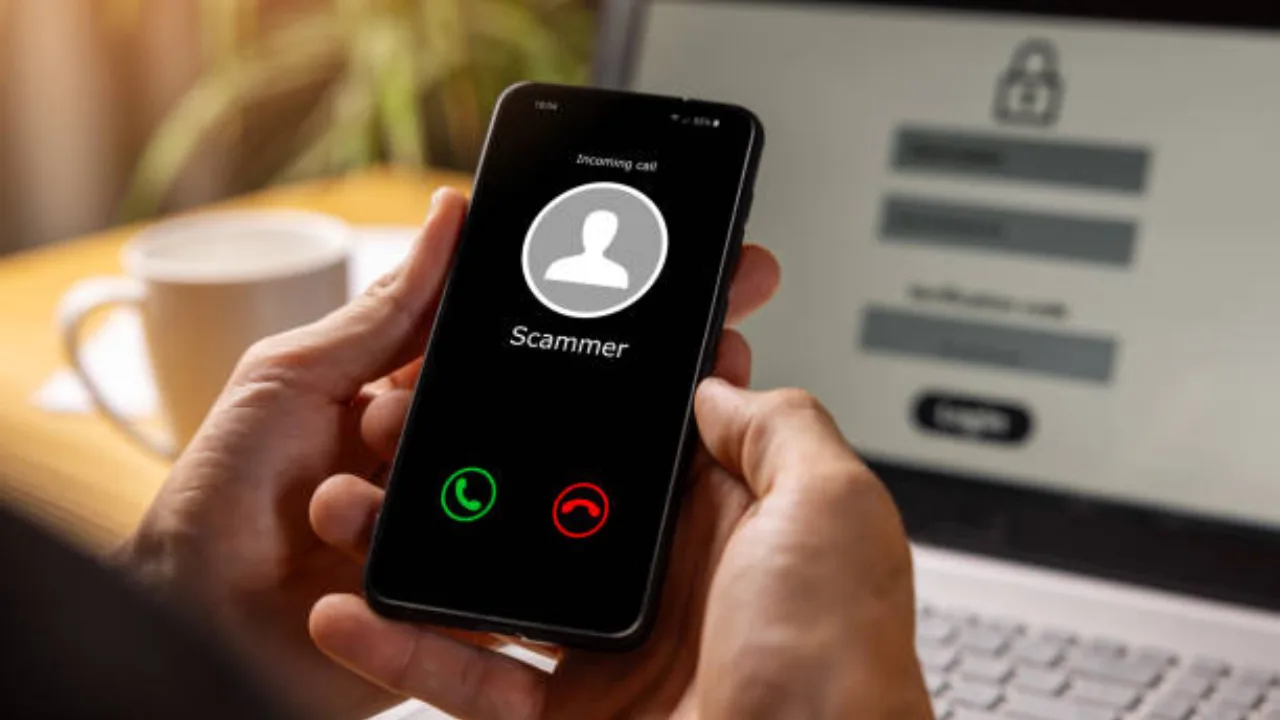
There’s currently a new scam in the market that can catch people off guard, where someone poses as your mobile carrier and calls shortly after your new phone is delivered. They will claim that you’ve been sent the wrong unit and must return it immediately to receive the correct one. If you do, the scammer will keep your flagship device. You get nothing. Just like that, you will hand over a $1,000 gadget to a criminal who now has your hardware and probably enough of your data to commit identity fraud.
A ZDNET editor has recently been targeted with this scam. Hours after her new Spectrum phone arrived, she received a call that even appeared legitimate on the caller ID. The person knew her name, address, and the exact phone model she’d ordered, exactly the kind of detail that makes people second guess their instincts. The caller pushed for an immediate resolution, and when she said she would call back later, he insisted on calling her back himself. That’s when she realized it was a scam. She called Spectrum and confirmed it was a known scam already circulating.
Read: How to Restart Your Android Phone Without the Power Button: 3 Alternative Ways
A similar story is shared on Reddit from an Xfinity customer who received the same treatment — new phone arrives, unknown number blows up their phone an hour later, a fake representative claims wrong device, and instructs them to take it to FedEx and scan a QR code to generate a return label. The customer suspected something was fishy, so he asked for the account number, but the caller couldn’t give it. Official Xfinity support confirmed everything was fine with the phone, and it was just another scam in the world.
How They Know So Much
The unsettling part is the level of detail these scammers have, including your name, address, and specific device model that sounds like an inside job, but probably isn’t.
How? It’s rarely a hack of the carrier’s central mainframe. Instead, it’s usually the result of data leakage further down the supply chain. Compromised email accounts, malware that snoops on shipping notifications, or even low level breaches at third-party logistics firms can give a scammer everything they need to sound legitimate. When someone calls you an hour after FedEx leaves and confirms your exact order number, your natural instinct is to trust them. That’s exactly what they’re banking on.
In an interview with ZDNET, Kern Smith, Senior VP at mobile security firm Zimperium, said, “that kind of information can come from data breaches, compromised email accounts, exposed shipping data, or even malware that monitors notifications. Attackers don’t necessarily need full access to a carrier’s systems. Sometimes, leaked order confirmations or tracking information are enough to build a convincing story.”
Read: Your Android Phone Won’t Charge? Try These Fixes to Solve Charging Issues
The timing is deliberate, too. Calling right after delivery creates the illusion of legitimacy and catches people before they’ve had a chance to settle in with the new device or question anything.
The scam relies on a cocktail of urgency and Quishing (QR code phishing). Once they convince you the phone is a mistake, they’ll send a QR code via text or email to simplify the return. Scanning this generates a shipping label that sends your phone to the scammer’s porch or a drop-box they control. If you question them, their tone will change, and they will fabricate concerns about billing issues, warranty invalidation, or a remote lock on your gadget. This is a high-pressure tactic to cloud your judgment. Some versions of the scam offer gift cards to make it seem more appealing, and so you can lower your guard.
Don’t Be a Beta Tester for Fraud, Here’s What to Do
In the tech world, we always say “trust but verify,” but when it comes to unsolicited calls from your carrier, you should probably skip the trust part. Carriers like Spectrum or Xfinity rarely call you to initiate a hardware return for a device that was just delivered.
Read: Don’t Use Pattern Lock to Secure Your Android Phone: Here’s Why
If you get a call about a shipping error, hang up. Don’t use the return label they provide. If you’re worried there’s a glitch with your account, call the carrier back using the official number found on your purchase bill or inside their verified app. We live in an era where our shipping data is the public domain for the right price. The moment you stop being surprised that a stranger knows what you bought is when you become much harder to scam.