Water damage is one of the fastest ways to shorten a phone’s lifespan, and it’s also one of the most misunderstood topics around modern smartphones. Apple advertises the iPhone 14 as water-resistant, but it doesn’t mean the phone is safe from water in any situation. So it matters to know what the iPhone 14 can handle, and where its limits are, if you want it to last for years.
The iPhone 14 lineup, including the standard model, Plus, Pro, and Pro Max, has strong protection against everyday splashes and accidental drops into water. But it has a few specific conditions that, if you ignore them, trouble might come to you.
Is iPhone 14 Waterproof?
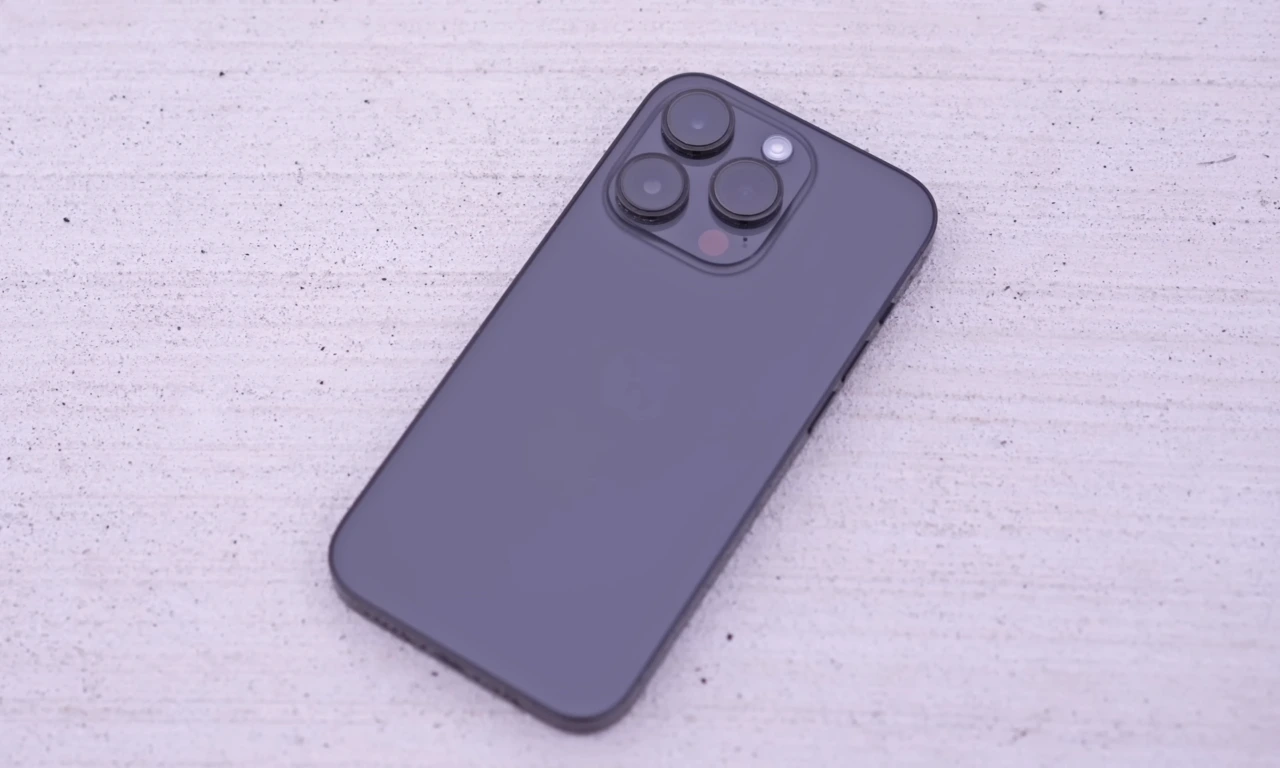
No iPhone 14 model is waterproof. All 14 series models are water-resistant, which is a very different thing. Apple rates the iPhone 14 series with an IP68 certification under IEC standard 60529. In actual terms, this means the phone can survive being submerged in fresh water up to 6 meters deep for a maximum of 30 minutes, under controlled lab conditions.
That’s protection against accidents—not a green light to use your phone underwater whenever you want. The seals that stop water from getting into the device are thin, pressure-sensitive, and not permanent. As the phone ages, these slowly degrade due to heat, drops, dust exposure, and normal use. Once that happens, the phone might look fine on the outside, but it can become highly vulnerable within the body.
Waterproof vs Water Resistant Explained
Waterproof means a product blocks water completely under defined conditions. You use waterproof gear when you expect sustained water exposure. These are usually purpose-built devices with thick gaskets, reinforced seals, and limited openings. Standards such as IPX7 or IPX8 confirm full water immersion resistance for a set depth and time.
Water-resistant means a product slows water penetration, not full protection. A water-resistant device slows down water intrusion. It can handle brief exposure, light immersion, or splashes but only within specific limits. When the limits are pushed past, water will enter inside and do the damage. Smartphones, including the iPhone 14, fall into the second category.
Waterproof ratings check pressure, depth, and how long something can handle it. Manufacturers test materials in labs with water or pressure. For example, IPX7 resists 1 meter for 30 minutes, while 10,000 mm hydrostatic head fabrics can handle heavy rain or even ocean strength.
You can buy waterproof products for outdoor, marine, or extreme weather use. Hiking jackets, dive watches, and dry bags rely on sealed seams and membranes such as Gore-Tex. On the flip side, water-resistant items are better for everyday wear. Smartphones, backpacks, and casual shoes mostly prefer breathability over complete water block.
What is IP68 Rating?
IP ratings are standardized measurements set by the International Electrotechnical Commission (IEC) to describe how well a device resists dust and liquids.
The “6” in IP68 means the phone is fully protected from dust and small solid particles. The “8” refers to water resistance, specifically immersion beyond one meter—up to Apple’s stated limit of 6 meters for 30 minutes. These tests are performed in clean, still, fresh water at controlled temperatures. They don’t consider movement, pressure changes, chemicals, or aging seals. That’s why real-world results vary a lot from their report.
Can You Take an iPhone 14 in a Pool or Underwater?
Technically, the iPhone 14 can survive brief underwater exposure, but in reality, submerging it in water is a big gamble. Pools contain chlorine, which can corrode the device’s internal components over time. And we know the ocean is a home to salt, which is even more aggressive and can eat away iPhone’s metal contacts. Similarly, lakes and rivers have bacteria and fine particles that can also enter through small openings.
Apple is clear on this: intentional water damage isn’t covered under warranty, and AppleCare+ won’t protect against damage caused by deliberate misuse. So, although some people take underwater photos successfully, others end up with silent speakers, Face ID failures, or corrosion a few weeks later.
Does Water Resistance Wear Out Over Time?
Yes, water resistance wears out over time due to physical and chemical degradation. You expose seals and adhesives to heat, pressure, dust, and chemicals in daily use, and even normal button presses damage the seals little by little. If your phone handled water excellently in year one, it will not have the same exposure endurance the next.
Apple states that IP68 water resistance is not permanent. Drops, micro-cracks, and charging port wear reduce protection with time. Studies show that the polymer gaskets lose their elasticity after repeated thermal cycles due to material degradation, compression set, and micro-cracking. This makes them stiff, less flexible, and stronger, and eventually results in seal failure.
Is the iPhone 14 Safe in the Shower or Rain?
Light rain and small splashes generally don’t do much to its health, but you can’t use the phone in a shower. Hot water creates steam, which is different from liquid water. Steam can even seep into areas where liquid water doesn’t, mainly around speakers and microphones. With pressure from shower spray and soap residue, you will have a recipe for moisture buildup in the device. Even if nothing happens instantly, continuous exposure to water or steam increases long-term damage risk.
Activities You Should Avoid With an iPhone 14
Water resistance doesn’t make the iPhone 14 a good model for water sports or high-pressure environments. Fast-moving water, jet skis, waterfalls, and diving all put pressure far beyond lab conditions. Saunas and hot tubs combine heat and humidity, which degrade seals very fast. Chemicals such as sunscreen, perfumes, detergents, and hair products are other dangerous things that can break down protective coatings and seals over time.
How to Protect the iPhone 14 From Water Damage
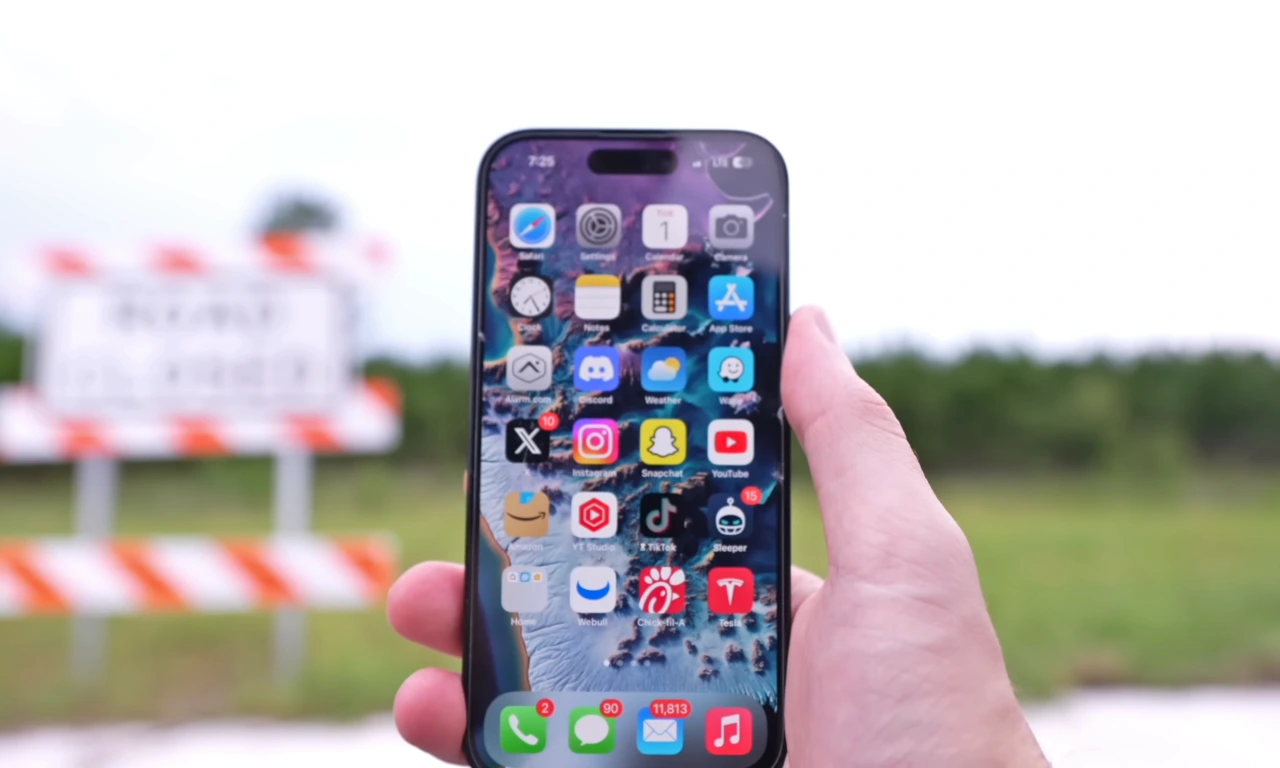
The best protection is to avoid unnecessary exposure at all costs by reducing liquid exposure and maintaining seal integrity. Beyond that, physical barriers also help in protection. Waterproof phone pouches give real protection near water and still let you use the screen. Dry bags work well for storage, but they don’t allow interaction.
Furthermore, water-resistant cases have a buffer against splashes but won’t make the iPhone fully waterproof unless specifically rated for immersion. You should keep the Lightning port clean and dry and avoid phone charging when there’s moisture on it. Apple Support data confirms that corrosion increases failure rates after liquid contact.
What to Do If the iPhone 14 Gets Wet
If your iPhone 14 does get soaked, speed and restraint are crucial. Remove the device from water immediately and power it off. Dry the exterior with a soft cloth and remove the case. Gently tap the phone to remove liquid from ports, and if the phone was exposed to salt or chemicals, rinse it with fresh water.
Don’t plug in the charger, press buttons repeatedly, or use heat sources. Let it air-dry in a ventilated space for at least 24–48 hours. Apple’s liquid detection alerts exist for a reason—ignoring them risks permanent damage. If issues occur after that, contact Apple Support. Persistent issues require Apple-certified service.
Does Apple Warranty Cover Water Damage?
Nope. Water damage isn’t covered by the regular warranty. AppleCare+ only helps with accidents, not damage caused by intentional exposure or misuse. Like, dropping it in water by accident is different from going to swim with an iPhone 14 in hand.