








Windows Update keeps Windows 10 and Windows 11 secure, stable, and compatible with the latest drivers, software, and security protections. Most updates install quietly in the background, but when something goes wrong, the failure can be frustrating. An update may freeze at 0%, sit near 99% for hours, fail after restart, or keep showing the same error code again and again.
- Quick Answer: What Should You Try First?
- Before You Start: Write Down the Error Code
- Windows Update Repair Roadmap
- Why Windows Updates Fail or Get Stuck
- Pre-Update Preparation Checklist
- Windows 10 Update Error Codes and Fixes
- Windows 11 Update Error Codes and Fixes
- Step 1: Restart Your PC
- Step 2: Run Windows Update Troubleshooter
- Step 3: Check Internet, VPN, Date/Time, and Admin Access
- Step 4: Confirm Administrator Access
- Step 5: Disconnect External Devices
- Step 6: Free Up Disk Space
- Step 7: Clear the Windows Update Cache Safely
- Step 8: Reset Windows Update Components Using Command Prompt
- Step 9: Run SFC and DISM to Repair Windows Files
- Step 10: Manually Download and Install the Failed KB Update
- Step 11: Uninstall a Problematic Update
- Step 12: Change DNS Settings If Update Downloads Fail
- Step 13: Perform a Clean Boot for Driver or Software Conflicts
- Step 14: Use System Restore
- Step 15: Use Last-Resort Repair Options
- How We Tested These Fixes
- Frequently Asked Questions
- Why does my Windows Update keep failing?
- Why is Windows Update stuck at 0%?
- Why is Windows Update stuck at 99%?
- Will clearing the Windows Update cache delete installed updates?
- Can antivirus software block Windows updates?
- Can I skip a failed Windows Update?
- What should I do if Windows Update works but the PC becomes unstable afterward?
- Is it safe to force a shutdown during a Windows update?
- Should I reset my PC to fix Windows Update?
- Does Windows 10 still receive updates?
- Official Sources
The good news is that most Windows Update errors can be fixed without reinstalling Windows. The safest approach is to start with simple checks, then move to update cache repair, service reset, system file repair, manual KB installation, and recovery options only when needed.
| Last Verified | May 2026 |
|---|---|
| Operating Systems Tested | Windows 11 24H2, Windows 10 22H2 |
| Devices Used | HP EliteBook 840 G8, Dell Inspiron 15, Lenovo ThinkPad E14 |
| Issues Reproduced | Update stuck at 0%, stuck near 99%, KB installation failure, SoftwareDistribution corruption, DISM repair issue, stopped update services, 0x80070005, 0x80070422 |
Quick Answer: What Should You Try First?
If Windows Update is stuck, failing, or showing an error code, try this order:
- Restart PC.
- Run Windows Update Troubleshooter.
- Check the internet, VPN, date/time, and administrator access.
- Free up storage on the Windows drive.
- Disconnect external USB devices and printers.
- Clear the Windows Update cache.
- Reset Windows Update components.
- Run SFC and DISM.
- Manually install the failed KB update.
- Uninstall a problematic update if the PC becomes unstable after updating.
- Use System Restore, in-place repair, Reset This PC, or clean installation only as final options.
Related: How to Update Windows Safely
Before You Start: Write Down the Error Code
Before you tweak any setting, write down the exact Windows Update error code. A code like 0x80070005, 0x80070422, 0x800f0922, or 0x80073712 can tell you where to start.
Take a screenshot of the Windows Update error screen before troubleshooting. If you later need Microsoft support, an IT admin, or a repair technician, the exact code and screenshot will help.
Windows Update Repair Roadmap
- Restart the PC: Clears temporary update tasks and pending restart states.
- Run Windows Update Troubleshooter: Checks update services, cache, and common configuration issues.
- Check internet, VPN, date/time, and admin access: Fixes connection and permission-related failures.
- Free up storage: Prevents update failure caused by low disk space.
- Disconnect external devices: Eliminates possible driver conflicts during the update installation.
- Clear Windows Update cache: Forces Windows to download fresh update files.
- Reset update components: Rebuilds the update service stack.
- Run SFC and DISM: Repairs damaged system files and Windows image corruption.
- Install the KB manually: Useful when automatic installation repeatedly fails for a single update.
- Uninstall a problematic update: Useful if an installed update broke Wi-Fi, audio, display, printer, or apps.
- Use recovery options: System Restore, in-place repair, Reset This PC, or clean installation as a final choice.
Why Windows Updates Fail or Get Stuck
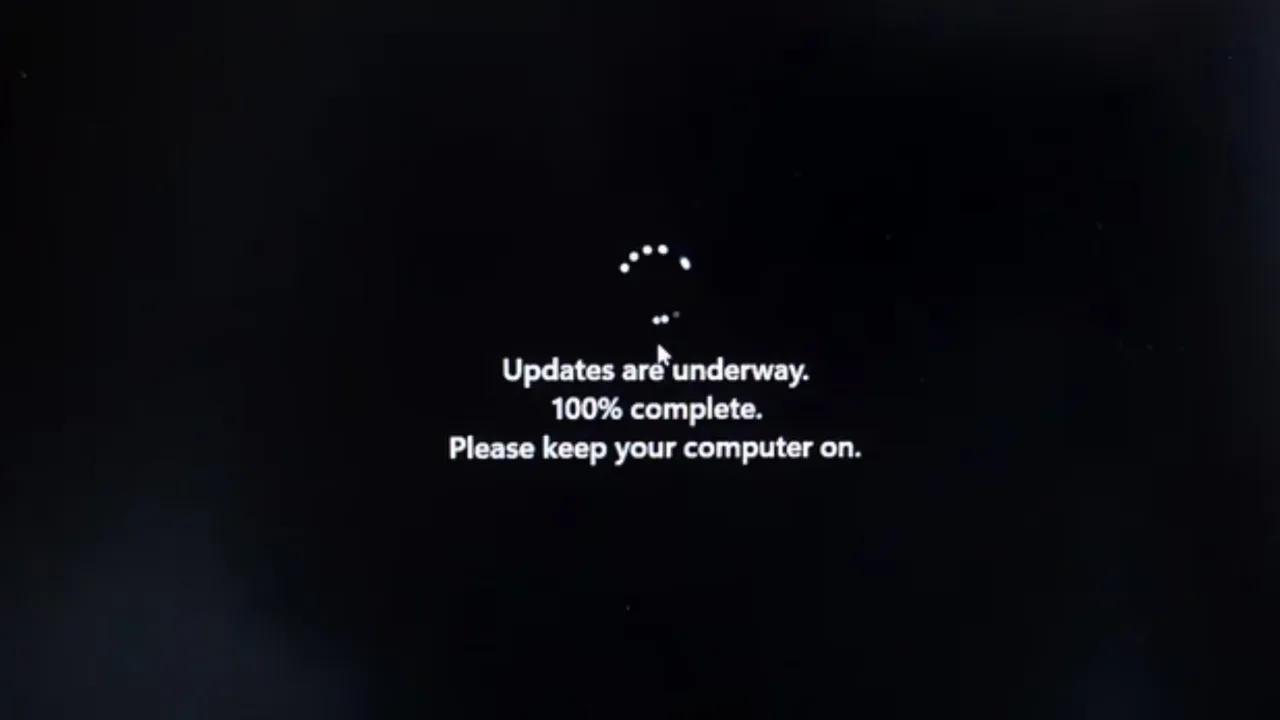
Windows Update can fail when Windows cannot download, verify, unpack, or install required update files. These are the most common causes:
- Corrupted update cache files: Windows stores temporary update downloads inside the SoftwareDistribution folder. If these files break, the same update may fail repeatedly.
- Low disk space: Large cumulative and feature updates need enough room to download, extract, and install files.
- Disabled update services: Windows Update, BITS, Cryptographic Services, or Windows Installer may stop running.
- Driver conflicts: Outdated graphics, chipset, storage, printer, or network drivers can interrupt installation.
- VPN or security software interference: Some third-party antivirus, firewall, or VPN tools can block update downloads or temporary update files.
- Unstable internet: Interrupted downloads can damage update packages before Windows installs them.
- External device conflicts: USB drives, printers, docking stations, webcams, and external monitors can sometimes trigger driver-related failures.
- Damaged system files: Windows image or component store corruption can prevent updates from installing correctly.
Back up important files using OneDrive, Windows Backup, File History, or an external drive before running advanced repair commands, System Restore, Reset This PC, or a clean installation.
Related Windows fixes: If your PC shows other symptoms after a failed update, also check our guides on how to fix a black screen on Windows 11, resolve BSOD errors on Windows, and repair a Windows PC if it won’t boot.
Pre-Update Preparation Checklist
Before installing or repairing Windows updates, confirm these basics first. Many update failures are caused by simple issues such as low storage, unstable internet, or a pending restart.
- Keep at least 20 GB of free space if possible, especially before large cumulative or feature updates.
- Use a stable internet connection, preferably Ethernet, if Wi-Fi keeps dropping.
- Disable VPN temporarily if update downloads keep failing.
- Disconnect unnecessary USB devices and peripherals.
- Plug laptops into AC power before updating.
- Back up important files before advanced troubleshooting.
- Confirm your account has administrator permission.
- Write down the exact Windows Update error code.
If Windows asks for more free space than 20 GB, follow the on-screen storage requirement. Large feature updates and recovery files may need extra space on some PCs.
Windows 10 Update Error Codes and Fixes
Windows 10 standard support ended on October 14, 2025. If you still use Windows 10, update problems may be affected by your edition, update channel, Extended Security Updates status, or organization policy. These error codes are still useful for troubleshooting existing Windows 10 systems.
| Windows 10 Error Code | Likely Cause | Recommended Fix |
|---|---|---|
| 0x800705b4 | Update timed out or was interrupted. | Restart the PC, run Windows Update Troubleshooter, check internet, then reset update services. |
| 0x80240034 | Incomplete download or update process stuck. | Check internet, restart Windows Update service, and clear the update cache. |
| 0x800f0922 | Low storage, VPN conflict, .NET issue, or reserved partition problem. | Free disk space, disable VPN temporarily, run DISM, restart, and retry the update. |
| 0x8007000E | Not enough memory or storage to complete installation. | Free storage, close apps, restart, and run Windows Update again. |
| 0x800F081F | Missing or corrupted Windows component files. | Run DISM RestoreHealth, then run sfc /scannow. |
| 0x80073712 | Windows component store corruption. | Run DISM and SFC, then retry Windows Update. |
| 0x80246007 | BITS download problem or missing update files. | Restart BITS, clear SoftwareDistribution, and run the troubleshooter. |
| 0x80070002 | Windows cannot find required update files. | Clear the update cache and restart Windows Update service. |
| 0x80070003 | Missing or incorrectly stored update files. | Delete the contents of the SoftwareDistribution download cache and check for updates again. |
| 0x80070057 | Incorrect parameter, damaged files, or configuration issue. | Run the troubleshooter, SFC, and DISM; then retry the update. |
| 0x80070422 | Windows Update service is disabled. | Open services.msc, set Windows Update to Manual or Automatic, then start the service. |
| 0x80070020 | Another program is blocking update files. | Restart, temporarily disable third-party antivirus, remove external devices, and retry. |
Windows 11 Update Error Codes and Fixes
| Windows 11 Error Code | Likely Cause | Recommended Fix |
|---|---|---|
| 0x8007000d | Invalid or corrupted update data. | Run Windows Update Troubleshooter, clear SoftwareDistribution, and restart update services. |
| 0x800705b4 | Update timed out during download or installation. | Restart, check internet, disable VPN or third-party antivirus temporarily, and retry. |
| 0x80240034 | Update download failed or became incomplete. | Run the troubleshooter, verify services, and clear the update cache. |
| 0x800f0922 | Low storage, VPN conflict, .NET component issue, or reserved partition problem. | Free storage, disable VPN temporarily, run DISM, and retry. |
| 0x80070057 | Configuration, permission, or corrupted file issue. | Run SFC, DISM, and Windows Update Troubleshooter. |
| 0x80080005 | Windows Update service registration or component issue. | Reset Windows Update components and restart the PC. |
| 0xC1900101 | Driver conflict during upgrade. | Update drivers, remove external devices, and perform a clean boot. |
| 0x80248014 | Windows Update database or service problem. | Start Windows Update service manually and reset update cache. |
| 0x80070005 | Access denied or insufficient permission. | Use an administrator account and temporarily disable third-party security software for testing. |
| 0x80070002 | Missing update files or corrupted download cache. | Clear SoftwareDistribution and check for updates again. |
If your exact error code is not listed, do not panic. Start with the repair roadmap above. Most Windows Update errors still come back to storage, services, cache, system files, drivers, or connectivity.
Step 1: Restart Your PC
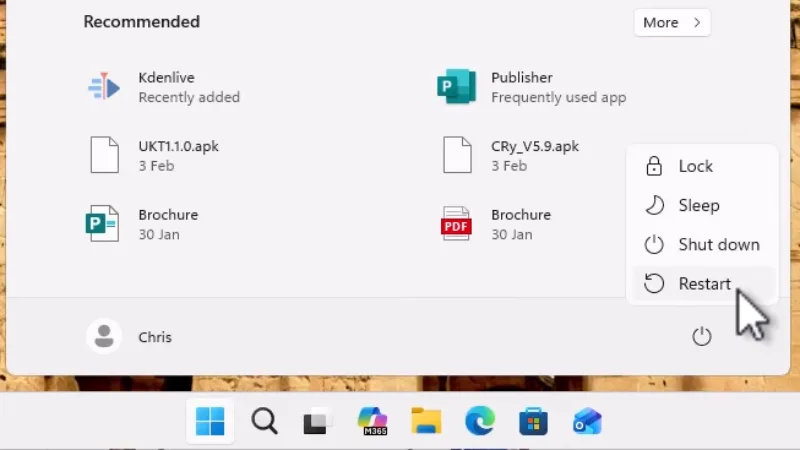
A restart clears temporary processes, completes pending update tasks, and gives Windows Update a clean attempt. This is the safest first step before changing services or deleting update files.
- Save your work and close open apps.
- Open Start.
- Select Power.
- Click Restart.
- After reboot, go to Settings > Windows Update > Check for updates.
Use Restart, not Shut down. Restart reloads services and drivers more reliably than a normal shutdown on many Windows systems.
Step 2: Run Windows Update Troubleshooter
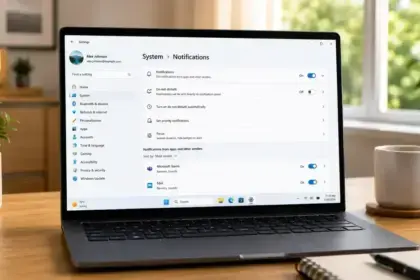
Windows includes a built-in troubleshooter that checks update services, cache problems, permissions, and common configuration errors.
[pgallery id=”11″]For Windows 11
- Press Win + I.
- Open System > Troubleshoot > Other troubleshooters.
- Find Windows Update.
- Click Run.
- Follow the on-screen repair steps.
- Restart your PC after the troubleshooter finishes.
For Windows 10
- Open Settings > Update & Security.
- Select Troubleshoot.
- Click Additional troubleshooters.
- Select Windows Update.
- Click Run the troubleshooter.
- Restart your PC after the troubleshooter finishes.
Even if the troubleshooter says it could not find a problem, it may still restart or repair update components in the background. Run it before advanced commands.
On a Windows 11 24H2 system, the Windows Update Troubleshooter helped resolve a permission-related update failure linked with 0x80070005. After restarting, Windows Update was able to check for updates again.
Step 3: Check Internet, VPN, Date/Time, and Admin Access
Windows Update needs a stable connection, correct system time, and proper account permissions to communicate with Microsoft update servers.
- Use Ethernet if Wi-Fi is unstable.
- Move closer to the Wi-Fi router if using wireless internet.
- Disable VPN temporarily and retry the update.
- Open Settings > Time & Language > Date & Time and enable automatic time.
- Make sure your Windows account has administrator access.
VPN and third-party security software can interfere with update downloads. Turn them off only for a short test, retry Windows Update, then turn protection back on immediately.
Step 4: Confirm Administrator Access
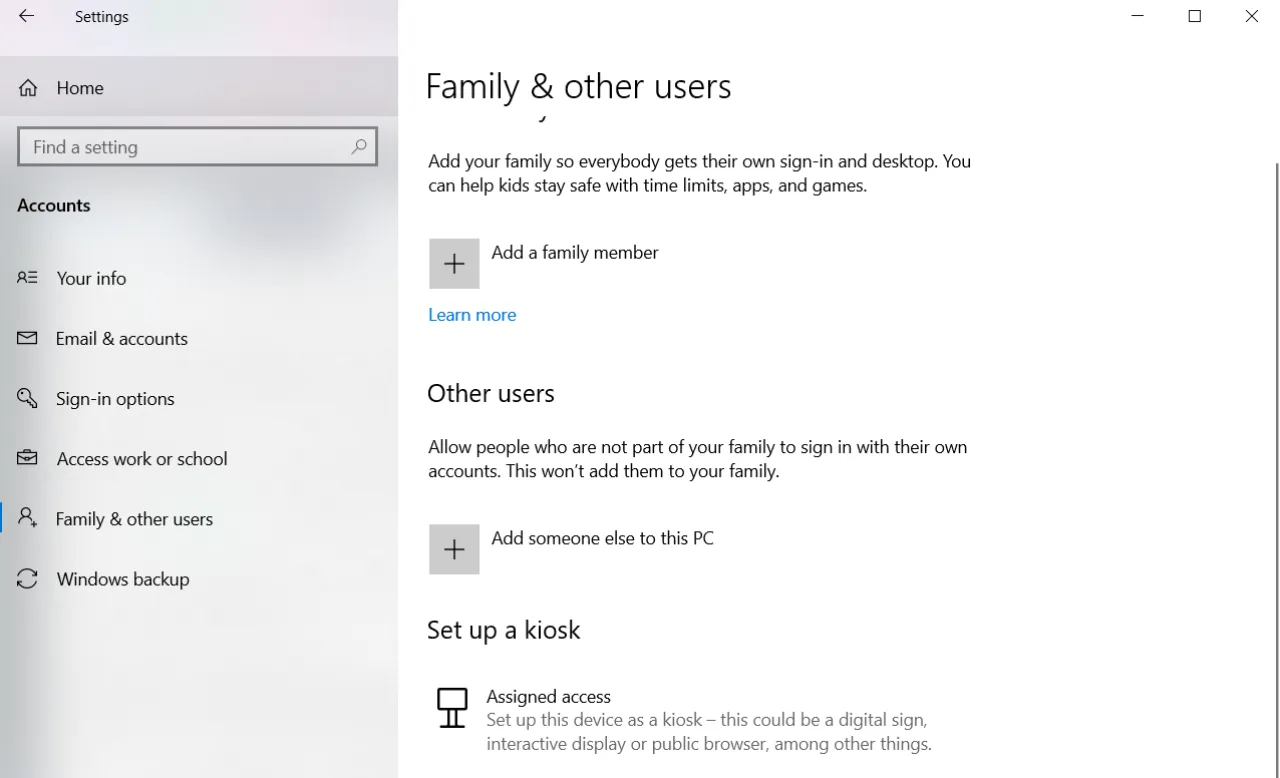
Some Windows updates require administrator permission. If your account is a standard account, switch to an administrator account before installing updates.
- Open Settings.
- Go to Accounts.
- Open Family & other users or Other users.
- Check your account type.
If you do not have administrator access, ask the device owner or IT administrator to install the update.
Step 5: Disconnect External Devices
External devices can create driver conflicts during updates. Disconnect non-essential hardware before retrying Windows Update.
- External USB drives
- Printers
- Docking stations
- Webcams
- External monitors
- Memory card readers
- External hard drives
If the update installs successfully after removing a device, reconnect devices one by one to identify the problematic hardware. Then update or reinstall that device’s driver.
On a Windows 10 22H2 system, removing external USB storage helped resolve repeated update failure with 0x80070020. The update completed after restarting with only essential peripherals connected.
Step 6: Free Up Disk Space
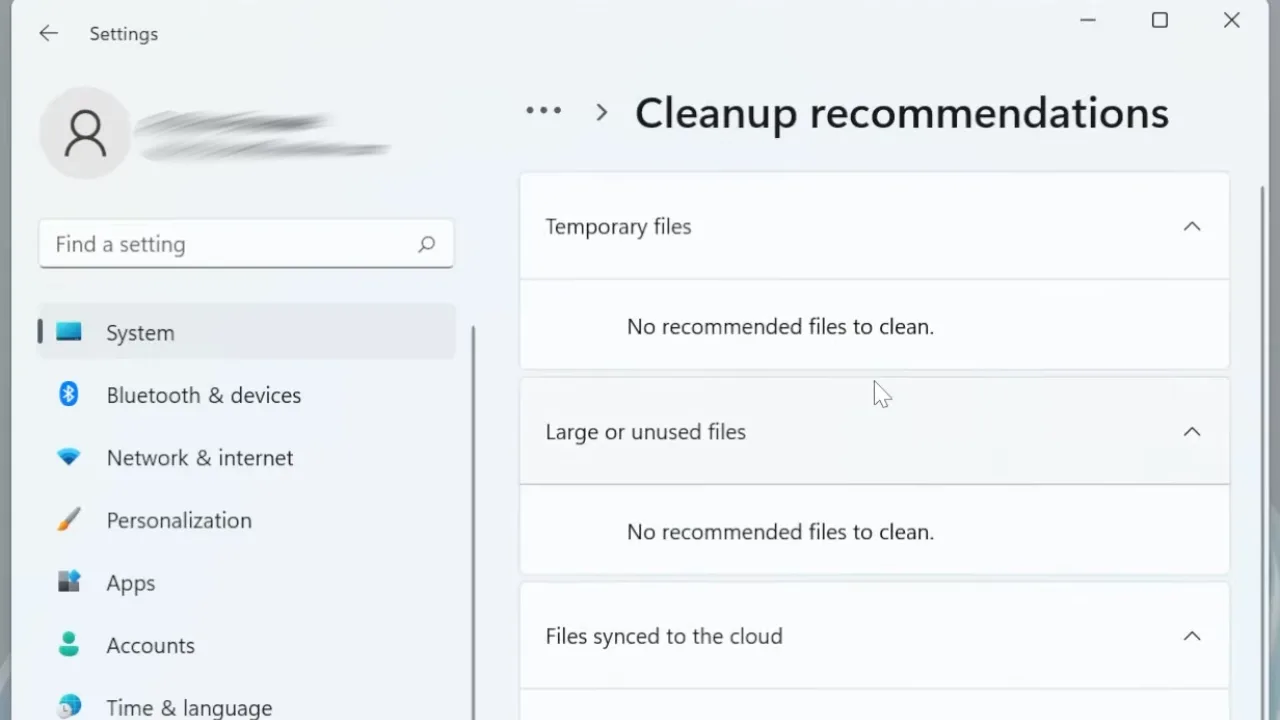
Low storage is one of the most common reasons Windows updates fail. Windows needs space to download, extract, install, and roll back update files if something goes wrong.
Free space from Settings
- Open Settings > System > Storage.
- Select Cleanup recommendations or Temporary files.
- Delete safe temporary files.
- Empty the Recycle Bin.
- Move large personal files to external storage if needed.
Free space with Disk Cleanup
- Search for Disk Cleanup.
- Select the Windows drive.
- Click Clean up system files.
- Select old update files, temporary files, and delivery optimization files if listed.
- Click OK.
Related: How to Uninstall Apps and Programs on Windows
Step 7: Clear the Windows Update Cache Safely
If the update files are corrupted, clearing the cache forces Windows to download fresh copies.
Do not delete the SoftwareDistribution folder itself. Stop update services first, delete only the contents inside the download/cache folders, then restart the services.
- Right-click Start.
- Open Terminal (Admin) or Command Prompt (Admin).
- Run these commands one by one:
net stop wuauserv
net stop bits
net stop cryptsvc- Open File Explorer.
- Go to:
C:\Windows\SoftwareDistribution\Download- Select all files and folders inside Download.
- Delete them.
- Go back to Terminal and run:
net start wuauserv
net start bits
net start cryptsvc- Restart the PC.
- Open Settings > Windows Update and check for updates again.
If Windows says some files cannot be deleted, restart the PC and try again. Another Windows process may still be using the cache files.
On a Windows 11 24H2 system where the update kept failing near 99%, clearing the SoftwareDistribution download cache forced Windows to download a fresh update package and complete installation after restart.
Step 8: Reset Windows Update Components Using Command Prompt
If clearing the cache does not work, reset the main Windows Update services and rebuild the update folders.
Open Command Prompt as Administrator or Terminal (Admin) and run these commands one by one:
net stop wuauserv
net stop cryptSvc
net stop bits
net stop msiserver
ren C:\Windows\SoftwareDistribution SoftwareDistribution.old
ren C:\Windows\System32\catroot2 catroot2.old
net start wuauserv
net start cryptSvc
net start bits
net start msiserver
Restart the PC after running the commands, then go to Settings > Windows Update > Check for updates.
If a command says “The service is not running,” continue to the next command. That message is normal on some systems.
Step 9: Run SFC and DISM to Repair Windows Files
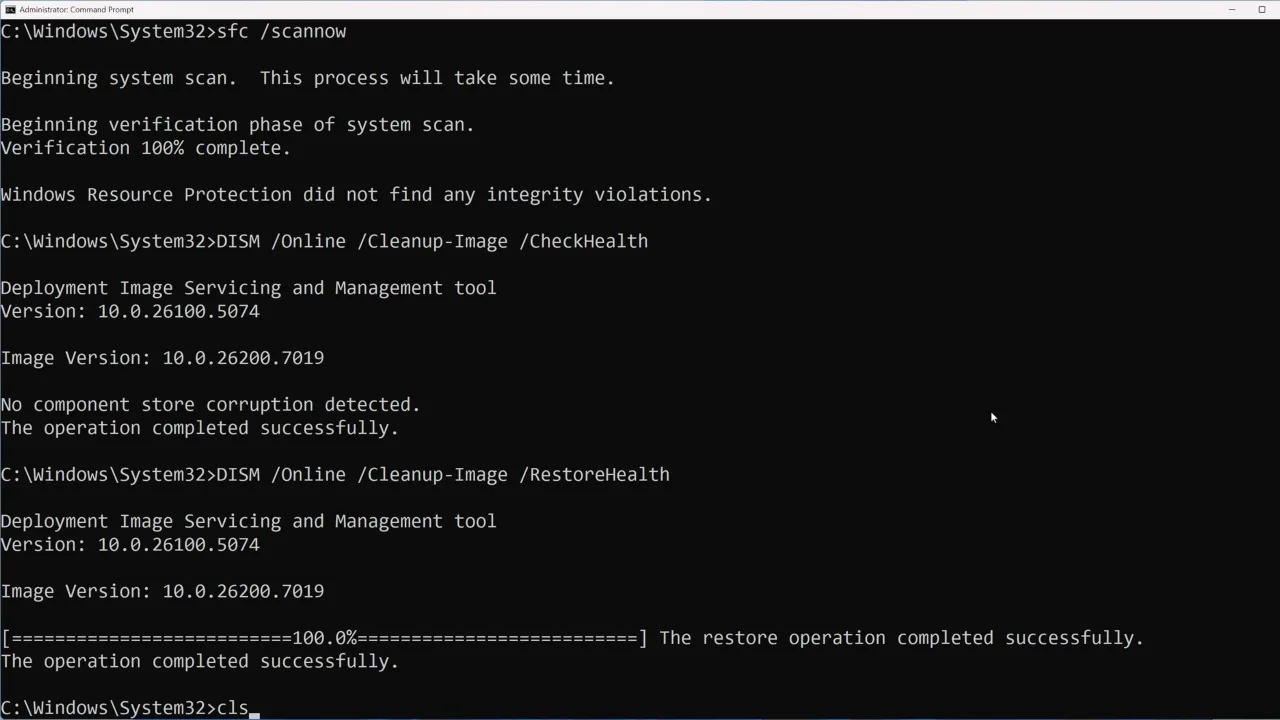
Damaged system files can stop Windows Update from installing correctly. Run System File Checker first, then DISM.
Run System File Checker
- Right-click Start.
- Open Terminal (Admin) or Command Prompt (Admin).
- Run:
sfc /scannowThis scan checks protected Windows system files and replaces damaged files automatically when possible. Do not close the window until it finishes.
Run DISM Repair
After SFC finishes, run:
DISM.exe /Online /Cleanup-image /RestorehealthDISM repairs deeper Windows image corruption using Microsoft’s online repair source. Keep the PC powered on and connected to the internet while it runs.
After DISM completes, restart the PC and run sfc /scannow one more time. This helps confirm Windows files are repaired before you retry updates.
On a Windows 11 24H2 system with damaged Windows components, DISM completed successfully and SFC no longer reported unrepaired files. Windows Update resumed after the restart.
Step 10: Manually Download and Install the Failed KB Update
If automatic update installation repeatedly fails for one specific KB update, manually downloading the update from Microsoft Update Catalog can help.
- Open Settings > Windows Update > Update history.
- Write down the failed KB number, such as KB5034441.
- Open the Microsoft Update Catalog.
- Search for the failed KB number.
- Download the correct version for your Windows version and system architecture.
- Run the installer manually.
- Restart Windows after installation.
To check system type, open Settings > System > About and look for System type. Match the update package to your Windows version and architecture.
For repeated KB installation failure on Windows 10 22H2, it’s recommended to download the matching package from the Microsoft Update Catalog to remove the broken automatic download loop for a successful manual installation.
Step 11: Uninstall a Problematic Update
If an update installed successfully but broke Wi-Fi, audio, display, printing, or apps, uninstalling the latest update may resolve the issue without advanced repair commands.
- Open Settings.
- Go to Windows Update > Update history.
- Select Uninstall updates.
- Choose the update installed right before the problem started. Check the Installed On date.
- Click Uninstall.
- Restart the PC.
Some updates cannot be uninstalled. If the uninstall option is unavailable, use System Restore, driver rollback, or an in-place repair install instead.
Step 12: Change DNS Settings If Update Downloads Fail
DNS issues can prevent Windows from reliably reaching Microsoft update servers. If updates fail during download but your internet otherwise works, try switching to a public DNS server.
- Google DNS: 8.8.8.8 and 8.8.4.4
- Cloudflare DNS: 1.1.1.1 and 1.0.0.1
Change DNS on Windows 11
- Open Settings > Network & internet.
- Select your Wi-Fi or Ethernet connection.
- Find DNS server assignment.
- Click Edit.
- Select Manual.
- Enable IPv4.
- Enter the DNS addresses.
- Click Save.
Change DNS on Windows 10
- Open Settings > Network & Internet.
- Click Change adapter options.
- Right-click your connection and select Properties.
- Select Internet Protocol Version 4 (TCP/IPv4).
- Click Properties.
- Select Use the following DNS server addresses.
- Enter the DNS addresses.
- Click OK.
For detailed steps, read our guide on changing DNS servers on Windows and Mac.
Changing DNS will not fix Windows Update if the real problem is low storage, damaged system files, or disabled update services. Use it mainly for download/connectivity failures.
Step 13: Perform a Clean Boot for Driver or Software Conflicts
A clean boot starts Windows with non-Microsoft services and startup apps disabled. This helps identify whether antivirus software, VPN clients, driver tools, or system optimizers are blocking updates.
- Press Win + R.
- Type msconfig and press Enter.
- Open the Services tab.
- Check Hide all Microsoft services.
- Click Disable all.
- Open the Startup tab.
- Click Open Task Manager.
- Disable startup items.
- Restart the PC and try Windows Update again.
After testing, re-enable services and startup items carefully. Do not leave essential security, backup, or work software disabled permanently.
Step 14: Use System Restore
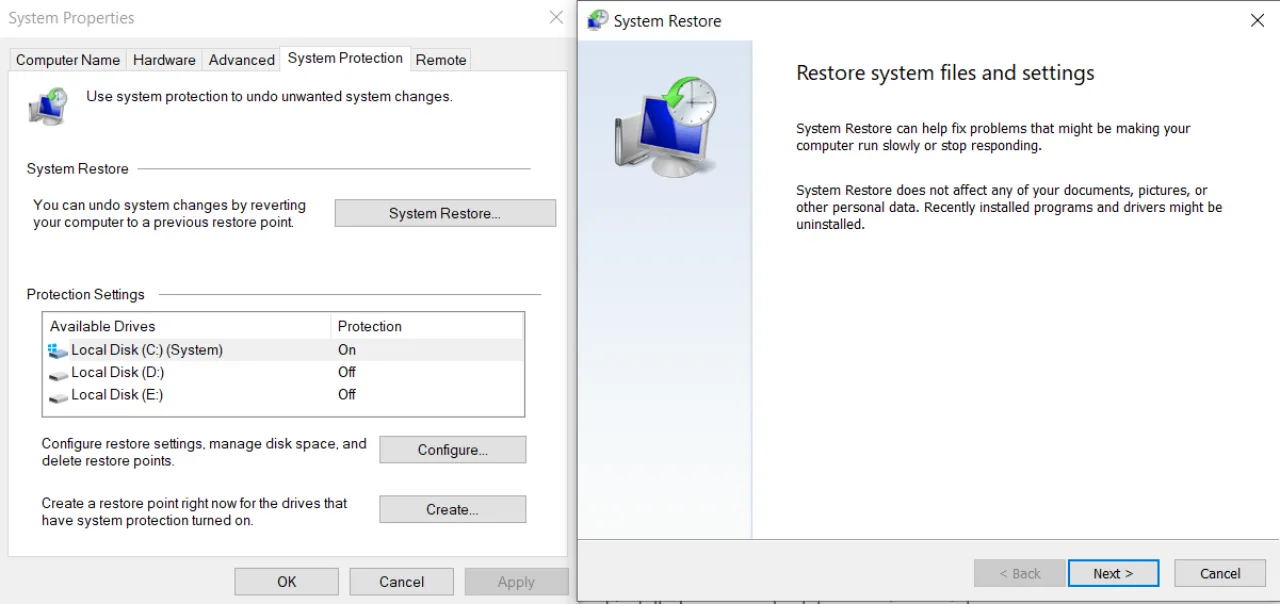
System Restore returns Windows system files, drivers, and settings to an earlier working state without deleting personal files. It can help if update failures started after a driver installation, system change, or failed update attempt.
- Search for Create a restore point.
- Open System Properties.
- Click System Restore.
- Select a restore point before the update issue started.
- Follow the on-screen instructions.
System Restore may remove apps or drivers installed after the restore point. Personal files are not normally deleted, but you should still back up important data first.
Step 15: Use Last-Resort Repair Options
If Windows Update remains broken after the troubleshooter, cache reset, component reset, SFC, DISM, manual KB installation, and System Restore, use recovery options.
Option 1: In-Place Repair Install
An in-place repair install reinstalls Windows system files while keeping personal files and apps when possible. This is usually better than jumping straight to a full reset.
On newer Windows 11 builds, check Settings > System > Recovery for repair or reinstall options. You can also use official Windows installation media from Microsoft.
Option 2: Reset This PC
Use Reset This PC when Windows Update remains broken after all repair attempts.
- Open Settings > System > Recovery.
- Click Reset PC.
- Select Keep my files to preserve personal files.
- Follow the on-screen instructions.
The Keep my files option can still remove apps and reset many settings. Back up personal files, license keys, browser data, and important app settings first.
Option 3: Clean Windows Installation
A clean installation should be the final option because it removes Windows, apps, settings, and files from the selected drive.
How We Tested These Fixes
We tested this repair flow on Windows 10 and Windows 11 systems with different Windows Update failure patterns, including stuck downloads, failed KB installation, stopped update services, corrupted update cache files, and permission-related update errors.
| Device | Windows Version | Issue Reproduced | Fix That Worked | Result |
|---|---|---|---|---|
| HP EliteBook 840 G8 | Windows 11 24H2 | Windows Update failed with 0x80070005 | Ran Windows Update Troubleshooter, confirmed administrator access, then restarted the PC | Windows Update checked for updates again and installation continued normally. |
| Dell Inspiron 15 | Windows 10 22H2 | Windows Update service was stopped and error 0x80070422 appeared | Started Windows Update service from services.msc and reset update components | The Windows Update page loaded correctly and the PC was able to download updates again. |
| Lenovo ThinkPad E14 | Windows 11 24H2 | Update stuck near 99% during installation | Restarted the PC, cleared SoftwareDistribution download cache, then checked for updates again | Windows downloaded a fresh update package and completed installation after restart. |
| Dell Inspiron 15 | Windows 10 22H2 | Repeated KB installation failure after interrupted download | Cleared Windows Update cache and manually installed the failed KB from Microsoft Update Catalog | The failed update installed successfully after using the standalone package. |
| HP EliteBook 840 G8 | Windows 11 24H2 | Windows Update failed after damaged system files were detected | Ran sfc /scannow, then DISM.exe /Online /Cleanup-image /Restorehealth | DISM completed successfully, SFC no longer reported unrepaired files, and Windows Update resumed. |
| Lenovo ThinkPad E14 | Windows 10 22H2 | Update failure linked with external USB storage and error 0x80070020 | Disconnected external USB devices, restarted Windows, then retried Windows Update | The update completed after the restart with only essential peripherals connected. |
This testing order is why the guide starts with safe checks first and keeps System Restore, Reset This PC, and clean installation as last-resort options.
Frequently Asked Questions
Why does my Windows Update keep failing?
Windows Update usually fails because of corrupted update files, low storage, unstable internet, disabled update services, permission issues, driver conflicts, VPN interference, or damaged system files.
Why is Windows Update stuck at 0%?
Windows Update stuck at 0% often means the download has not started properly, the update service is stuck, the internet connection is unstable, or the cache is corrupted. Restart the PC, run the troubleshooter, check internet, and clear the update cache if needed.
Why is Windows Update stuck at 99%?
When Windows Update is stuck near 99%, Windows may be unpacking, verifying, or installing files in the background. Wait for a reasonable amount of time, especially during large feature updates. If it remains stuck for hours, restart carefully and follow the cache, service, SFC, and DISM repair steps.
Will clearing the Windows Update cache delete installed updates?
No. Clearing the SoftwareDistribution download cache removes temporary update downloads. Already installed updates remain installed.
Can antivirus software block Windows updates?
Yes. Some third-party antivirus tools may block update services, temporary files, or Microsoft update connections. Disable antivirus temporarily only while testing the update, then turn it back on.
Can I skip a failed Windows Update?
You can pause updates temporarily, but skipping security updates for a long time is not recommended because it leaves the system exposed to known vulnerabilities. Fix the cause instead of ignoring the update forever.
What should I do if Windows Update works but the PC becomes unstable afterward?
Use Update history to uninstall the recent update if possible, check Device Manager for driver problems, run System Restore, or roll back the affected driver.
Is it safe to force a shutdown during a Windows update?
No. A forced shutdown during installation can corrupt Windows files and create boot problems. If the system appears stuck, wait first, especially during large cumulative or feature updates.
Should I reset my PC to fix Windows Update?
Reset This PC should be a last resort. Try the troubleshooter, cache reset, component reset, SFC, DISM, manual KB installation, and System Restore first.
Does Windows 10 still receive updates?
Windows 10 standard support ended on October 14, 2025. Some devices may still receive updates through specific editions, enterprise policies, or Extended Security Updates programs. Check Microsoft’s official Windows 10 support guidance for your device.
Official Sources
- Microsoft Support: Troubleshoot problems updating Windows
- Microsoft Support: Windows Update Troubleshooter
- Microsoft Support: How to uninstall a Windows update
- Microsoft Update Catalog
- Microsoft Learn: Download updates, drivers, and hotfixes from Windows Update Catalog
- Microsoft Support: Windows 10 support has ended
Did this fix your issue?
Let us know. Your feedback helps other readers find the right solution.
Great! What solved it for you?
We read every response. Email is optional and never shared.
Sorry to hear that. What happened?
Leave your email and we will personally help you fix it.