

We are living in a world that depends on technology. From placing an online food order, logging in for an educational course, to even viewing how to make a basic meal at home, today, everything has moved online.
Although this new phenomenon has made managing your life and organizing your day-to-day easier, it has also caused you to be more vulnerable. According to Zippia, every 39 seconds, a regular cyber-attack takes place. Perhaps you know these types of attacks, like phishing, malware, and ransomware. In the worst-case scenario, your data could be stolen and sold to someone else.
So, how to protect your online security and privacy? After all, nobody wants to ruin their online image. So without further ado, this article explains some tips and how you could avoid getting hunted down.
How to Stay Safer Online?
When you’re online, you’re just a tap away from being tracked or hacked using dozens of techniques. So, here are a few tips to keep your web browsing safe:
Be Vague in Your Social Media
Social media is both an asset and a liability. While it has made connecting with friends and family easier, it has also exposed you online. If you are tempted to share your information online to make it easier to find you, you shouldn’t do this. Social media sites like Twitter, Facebook, and Instagram know no bounds regarding data privacy. They can share confidential information like your address and phone number, and sometimes link your bank account to your main profile. If you’re not careful, details like your pinned location and Zip code can also be readily available to the public.
Consequently, if a cybercriminal comes across your profile with malicious intent, they can easily misuse your information and access financial records, which they can steal. For this reason, try sharing your information online to a minimum; you don’t need to link your website or bank account to your main profile, and reduce the details you mention about your life.
Create Stronger Passwords
According to statistics, two out of three Americans have the same password for different accounts. Have you ever had the same password on all of your accounts, so that you can easily log into whichever account you want at any time? If yes, you have unknowingly made yourself vulnerable to a cyberattack.
One thing most cybercriminals know is that you like to keep your password the same across platforms. They also know the most popular passwords are a combination of birth dates, anniversary dates, pet names, and the city/town in which someone was born.
Use a password manager to keep your complex passwords untouchable, and you can forget the weaker ones except for lesser-important accounts. Use numbers, special characters, and upper and lower case letters in a password that is extremely hard to guess. If you don’t know how you can use a random password generator to create one instead. Also, make an effort to have longer passwords where you can; they are far more secure than shorter ones.
Use a VPN
Virtual private networks (VPNs) are a great way to protect your connection against malevolent online activity. A VPN encrypts your data and provides you with an additional layer of security. This network also hides your IP address, making you virtually untraceable. So, if you enjoy using public Wi-Fi or plan on checking confidential data, it’s best to do so with a VPN download.
The only drawback of having a VPN is that you have to pay for these services. While most are affordable, specific VPNs may be too pricey to add to your budget. Some VPNs also reduce your browser performance, which means the search engine may take longer to load, and you may not connect to a server immediately.
Update Your Antivirus Software
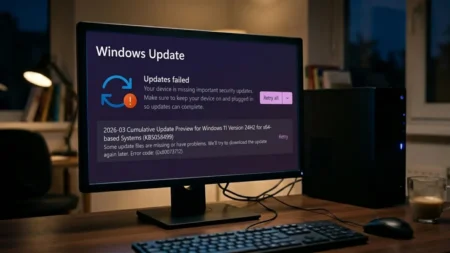
Having antivirus software is an integral part of owning a smart device. This software protects your device, like your laptop, against all types of viruses that can impact your system and corrupt your data. Therefore, if you get notifications to update your antivirus software, don’t ignore these messages and immediately go for an update. The latest software fixes your bugs and repairs all openings in your operating system.
Verify Links
According to Techopedia, 83% of companies experience a yearly phishing attack. Phishing is a scam where a hacker who pretends to be a reputable company sends you an email or message. The scam aims to get you to enter your details, like credit card numbers. For this reason, when you get emails, even representing your bank that do not look reliable, do not click on any links in the message body.
These cybercriminals will even email you URLs that will take you to cloned websites where, once information is entered, it is more likely to be logged and taken. That’s why before clicking on any link sent to you, for instance, if the scammer is impersonating your bank, you should contact your bank with a verified number and confirm if they have sent it to you. Many of these links will likely have errors in the URL, like typos or misspellings, which should tip you off that those are probably phishing links. So, be careful about the messages you receive.
Bottom Line
While working online has many advantages, it is not without its substantial risks. While it is true that it is much easier now, many serious threats to your data come hand-in-hand with the digitized world. The minute you go online, you expose yourself to the world of cybercrime. Fully understanding how cybercriminals will always be on the World Wide Web right around the corner, mainly to exploit your data and make money off it. This all might sound scary, but you should not be afraid. Your choices to protect the data from many attacks involve keeping your passwords safe, using a VPN, and not posting so openly on social networks. The small measures you take today will pay off in the long run.